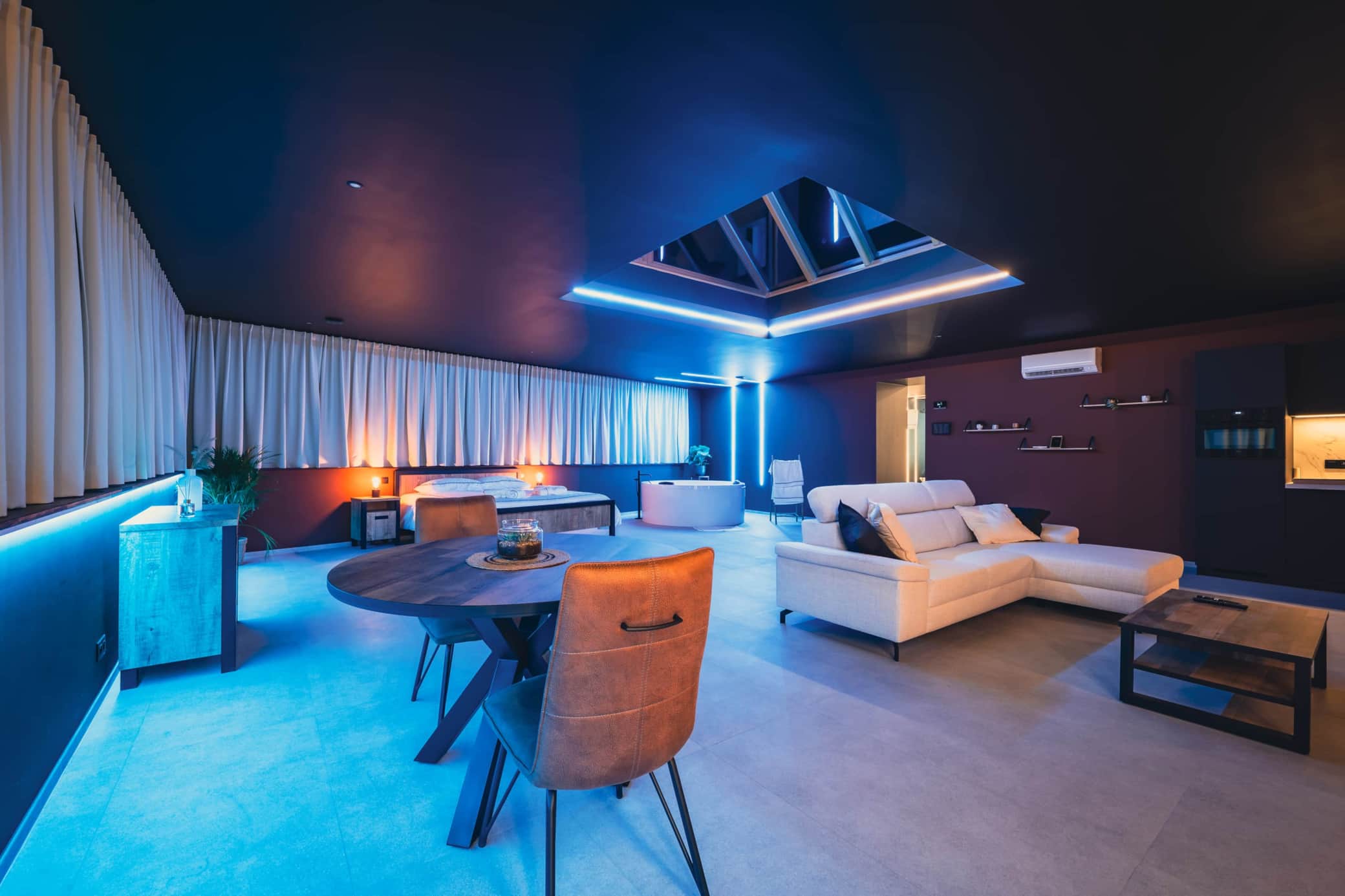

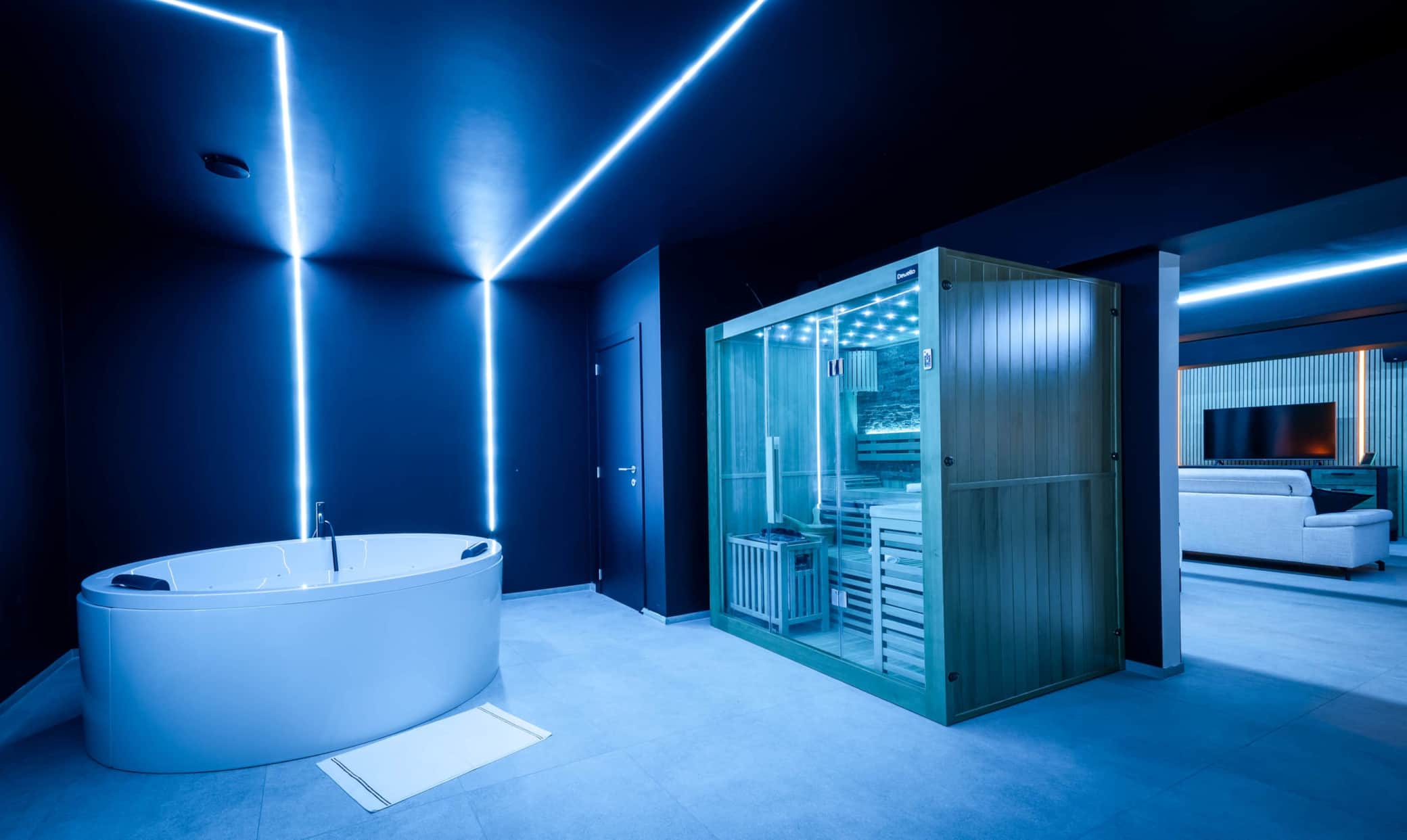
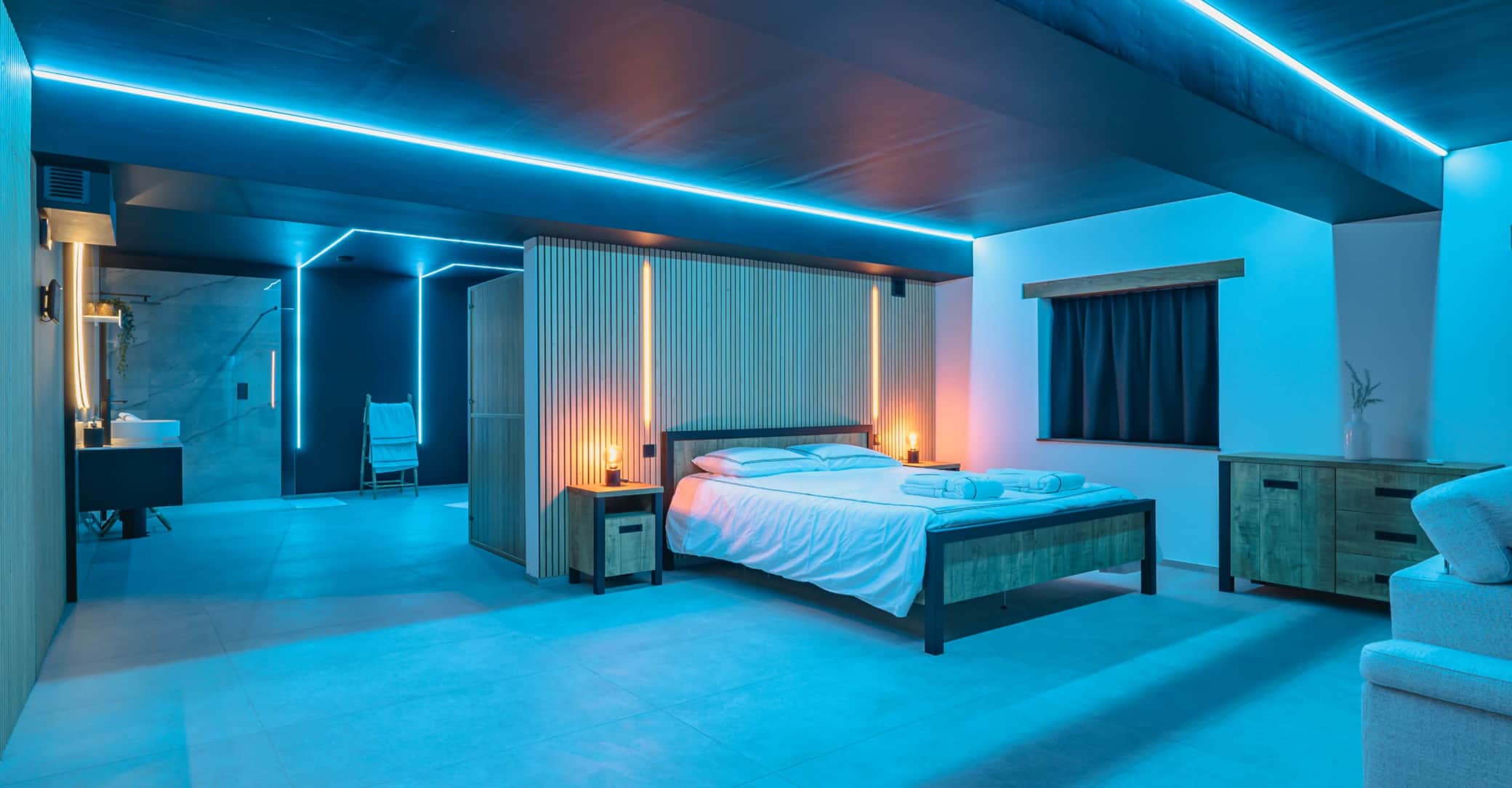

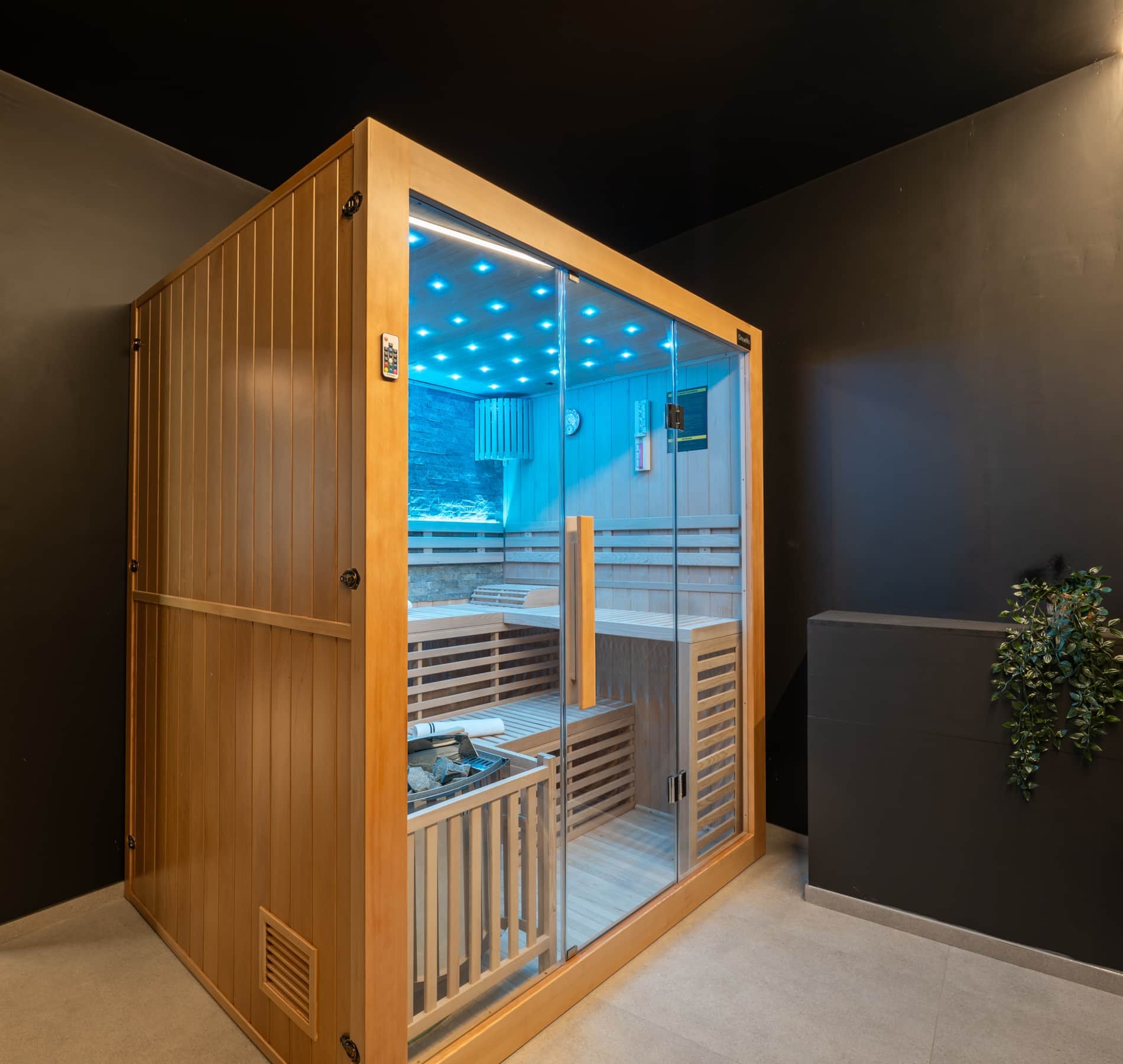
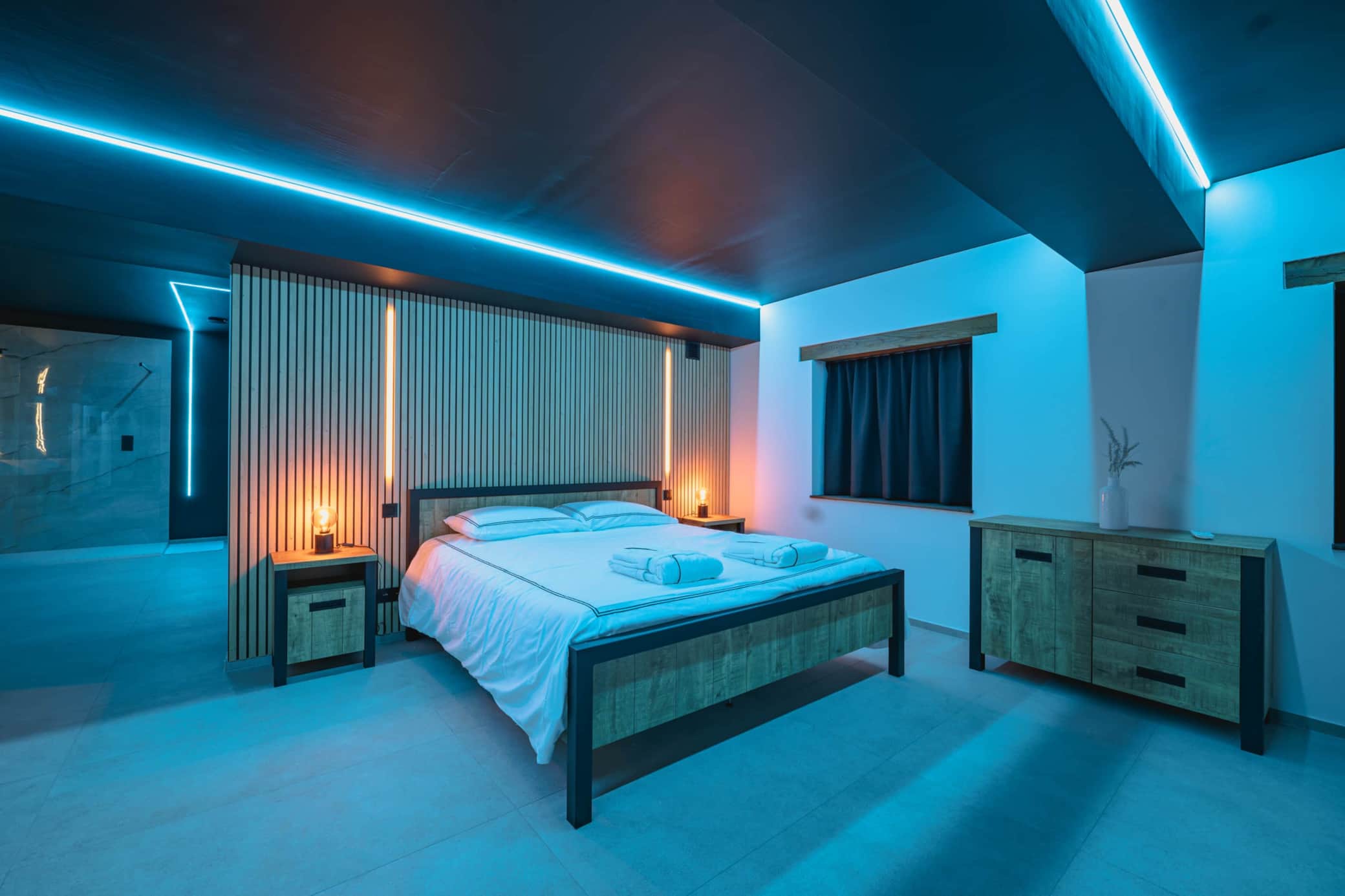
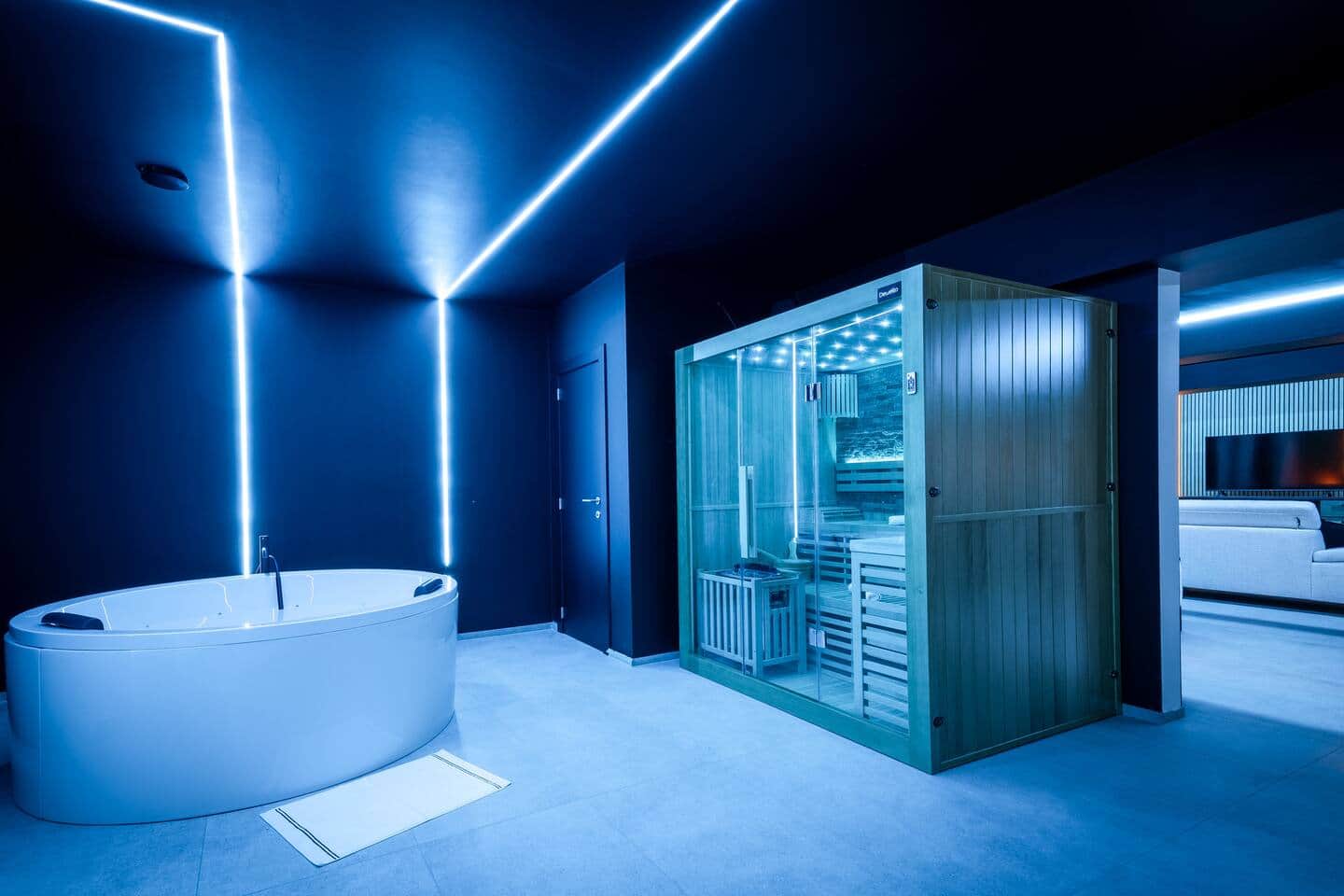
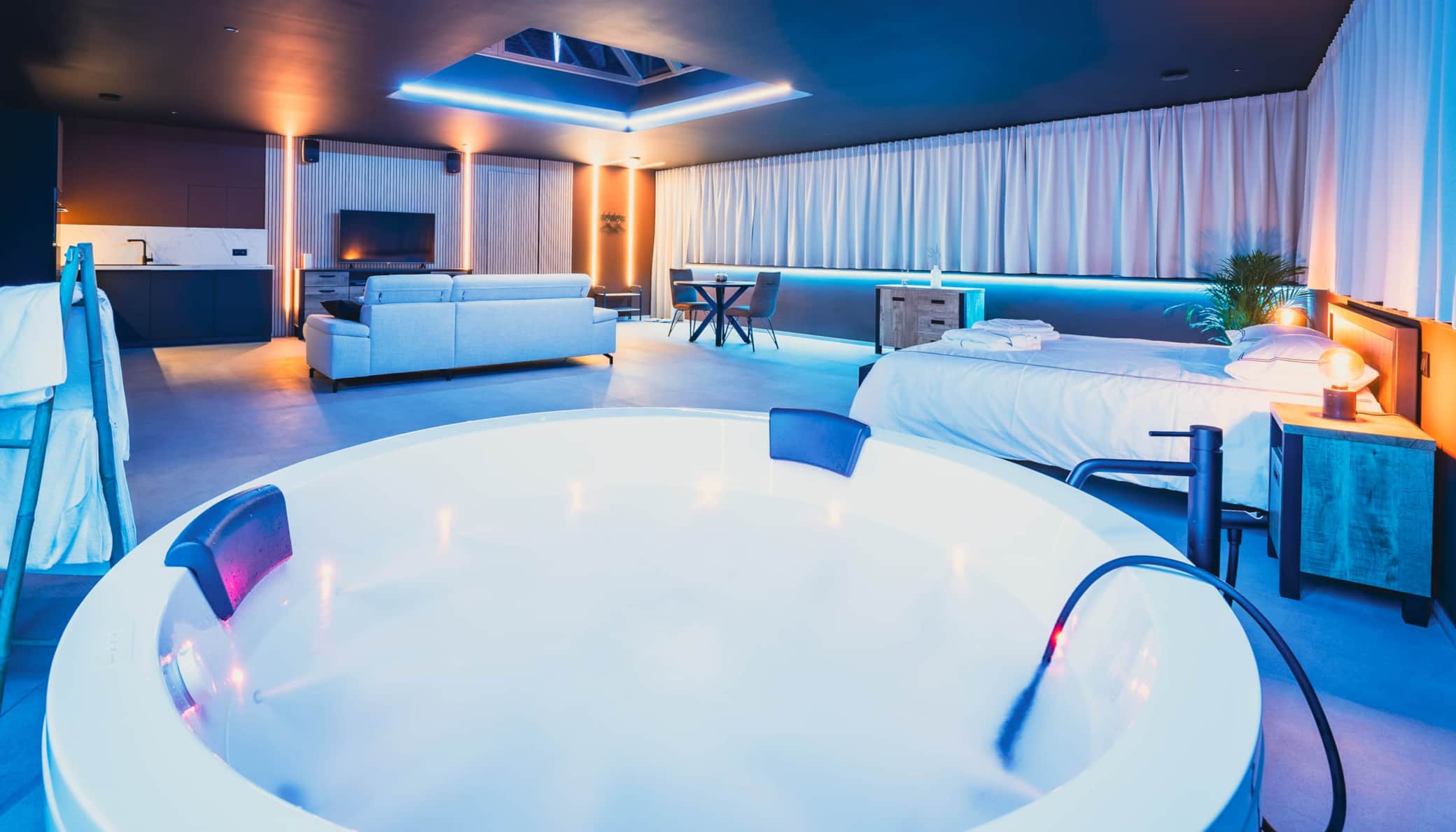
Nos Suites Wellness
Discover Bassenge
The Bassenge region, located in the Geer Valley (province of Liège, Belgium), is a rural area rich in natural and historical heritage. Here is a detailed overview:
Location
Position: Bassenge lies at the easternmost part of Wallonia, close to the Dutch border (near Maastricht) and not far from the city of Liège.
Composition: The municipality of Bassenge is made up of five villages – Bassenge, Boirs, Glons, Roclenge-sur-Geer, and Eben-Emael – all crossed by the Geer River, a tributary of the Meuse.
Landscapes and Nature
Agricultural Valley: The region is characterized by its fertile lands devoted to agriculture, with vast fields, meadows, and orchards.
Relief: Valleys and limestone hills shape a varied landscape dotted with small forests and nature reserves.
Nature Reserves: Among them, the Coteaux de la Montagne Saint-Pierre is a protected site known for its biodiversity (wild orchids, bats in former chalk quarries).
Walking and Cycling Trails: A network of footpaths and RAVeL routes follows the Geer, ideal for walking, cycling, and nature observation.
Heritage and History
Fort Eben-Emael: Built between 1931 and 1935, this fort on Belgium’s defensive line is famous for its role during World War II.
Industrial Remains: Former chalk quarries and lime kilns bear witness to the area’s industrial past linked to stone extraction.
Historic Buildings: Old churches and farmhouses reflect the region’s traditional rural architecture.
Activities and Local Life
Tourism: Bassenge attracts hiking and cycling enthusiasts as well as lovers of historical sites.
Local Products: The region boasts rich local produce — cheeses, apples, pears, and the famous Liège syrup.
Cultural Life: Village festivals, markets, and events highlight the area’s history and natural heritage.
Highlights
Cross-border Location: Immediate proximity to the Netherlands and easy access to Liège and Maastricht.
Quality of Life: Peaceful atmosphere, green surroundings, and a strong rural identity.


Découvrez Bassenge, un joyau entre nature, patrimoine et histoire
Nichée au cœur de la magnifique vallée du Geer, dans la province de Liège, Bassenge est une destination idéale pour les amoureux de nature, de patrimoine et de découvertes. À quelques minutes seulement de Liège, Maastricht et de la frontière néerlandaise, cette commune offre un cadre authentique où se mêlent paysages préservés, histoire fascinante et art de vivre.
Une situation idéale
Située à l'extrême est de la Wallonie, Bassenge bénéficie d'un emplacement privilégié à proximité des Pays-Bas et des principaux axes touristiques de la région. La commune regroupe les villages de Bassenge, Boirs, Glons, Roclenge-sur-Geer et Ében-Emael, tous traversés par le paisible cours d'eau du Geer.
Une nature préservée
La vallée du Geer séduit par ses vastes paysages agricoles, ses prairies verdoyantes, ses vergers et ses coteaux calcaires qui offrent de superbes panoramas en toute saison.
Les amoureux de la nature apprécieront notamment :
- Les Coteaux de la Montagne Saint-Pierre, réserve naturelle réputée pour sa biodiversité exceptionnelle.
- Les anciennes carrières de craie, refuge de nombreuses espèces de chauves-souris.
- Une flore remarquable comprenant plusieurs espèces d'orchidées sauvages.
- De nombreux sentiers balisés et le RAVeL, parfaits pour la randonnée, le vélo ou une promenade en famille.
Un patrimoine historique remarquable
Bassenge possède un patrimoine exceptionnel qui retrace plusieurs siècles d'histoire.
Le Fort d'Ében-Émael
Construit entre 1931 et 1935, le Fort d'Ében-Émael est mondialement connu pour son rôle stratégique lors de la Seconde Guerre mondiale. Aujourd'hui, il se visite et constitue l'un des sites historiques les plus impressionnants de Belgique.
Un riche passé industriel
Les anciennes carrières de craie, les fours à chaux et les bâtiments industriels témoignent de l'importante activité d'extraction de la pierre qui a façonné la région pendant plusieurs générations.
Un patrimoine rural authentique
Les églises, fermes en pierre du pays et anciennes bâtisses confèrent aux villages de Bassenge un charme typiquement wallon.
Une destination idéale pour les loisirs
Que vous soyez amateur de balades, passionné d'histoire ou simplement à la recherche de calme, Bassenge propose de nombreuses activités :
- Randonnées pédestres
- Balades à vélo
- Circuits nature
- Visites historiques
- Observation de la faune et de la flore
- Photographie de paysages
Les saveurs du terroir
La région est également réputée pour ses produits locaux :
- Fromages artisanaux
- Pommes et poires des vergers locaux
- Sirop de Liège
- Produits fermiers
- Bières artisanales de la région
Une région vivante
Tout au long de l'année, Bassenge accueille de nombreuses animations :
- Marchés locaux
- Fêtes de village
- Manifestations culturelles
- Commémorations historiques
- Événements autour de la nature et du patrimoine
Pourquoi visiter Bassenge ?
✔ À seulement quelques minutes de Liège et Maastricht
✔ Une nature préservée et de magnifiques paysages
✔ Un patrimoine historique exceptionnel
✔ De nombreux sentiers de randonnée et pistes cyclables
✔ Une gastronomie locale authentique
✔ Une atmosphère paisible et conviviale
Que vous soyez en quête de détente, de découvertes culturelles ou d'activités de plein air, Bassenge vous invite à vivre une expérience authentique au cœur de la vallée du Geer, dans l'une des plus belles régions de Belgique.